
From London to Davos to Silicon Valley. And back to Munich.
Last week did not feel like a tour of global innovation forums. It felt like a convergence around an uncomfortable reality.
At NATO DIANA’s opening session, a senior general set the tone with a stark assessment that framed the days that followed. The message was clear. We are already operating in a state of conflict, even if it is not always recognized as such. The peace that has existed since the end of World War II has never felt more fragile.
That framing carried through every conversation that followed.
Across unDavos in Switzerland, NATO DIANA in the United Kingdom, and Plug and Play Aerospace and Defense in the United States, the same conclusion surfaced again and again. Not as a hypothesis, but as an operating assumption.
Modern defense, autonomy, and logistics systems are advancing quickly, but they remain constrained by a fragile foundation. Positioning.
Europe is already operating under disruption
What stood out most sharply was the difference in proximity.
In the United States, disruption is treated as a planning scenario. It is modeled, exercised, and discussed as a future contingency. In Europe, it is already part of daily operating reality. With a nuclear power waging war on their continent, resilience is not abstract or deferred. It is immediate.
This is not a gap in awareness or capability. It is a difference in lived exposure.
In European discussions, no one debated whether positioning would be degraded. The only question was how systems behave when it is.
When positioning degrades, the effects cascade quickly. Movement slows. Autonomy breaks. Coordination fragments. Logistics revert to manual processes that do not scale. The technology does not fail loudly. It quietly shifts the burden back to humans in ways that compound risk.
unDavos: Separating deployment from promise
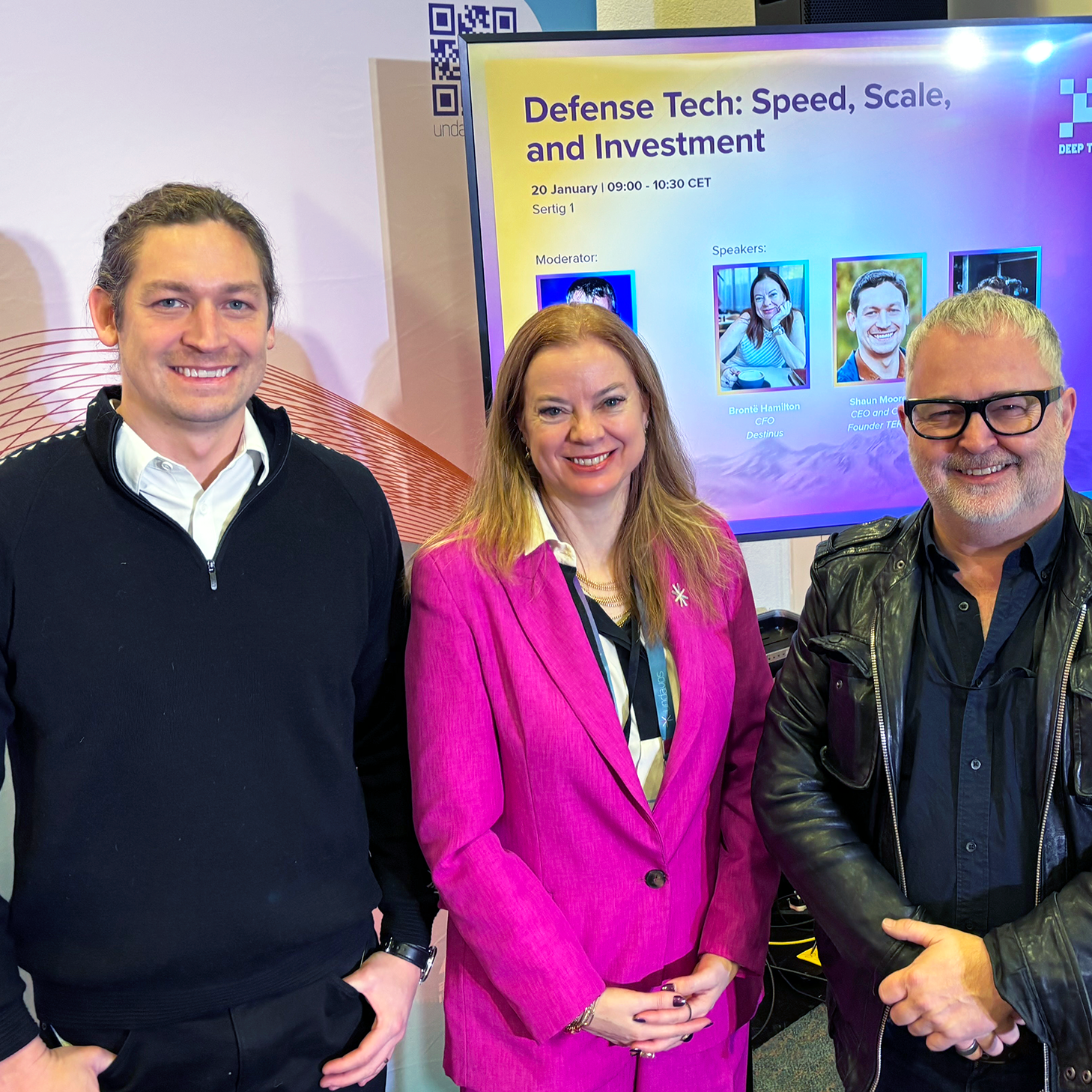
At the unDavos Summit in Switzerland, TERN’s CEO and Co Founder Shaun Moore joined defense innovators and investors for a candid discussion on speed, credibility, and deployment. Moderated by former TechCrunch Editor at Large Mike Butcher, the conversation avoided future promises and stayed grounded in what works now.
Again and again, the discussion returned to continuity. Systems that perform only under ideal conditions are no longer sufficient. The gap is not awareness. It is fielded capability.
NATO DIANA: Continuity is today’s requirement
That gap became explicit at NATO DIANA, including a panel discussion held inside the infamous, and aptly chosen, Churchill War Rooms.
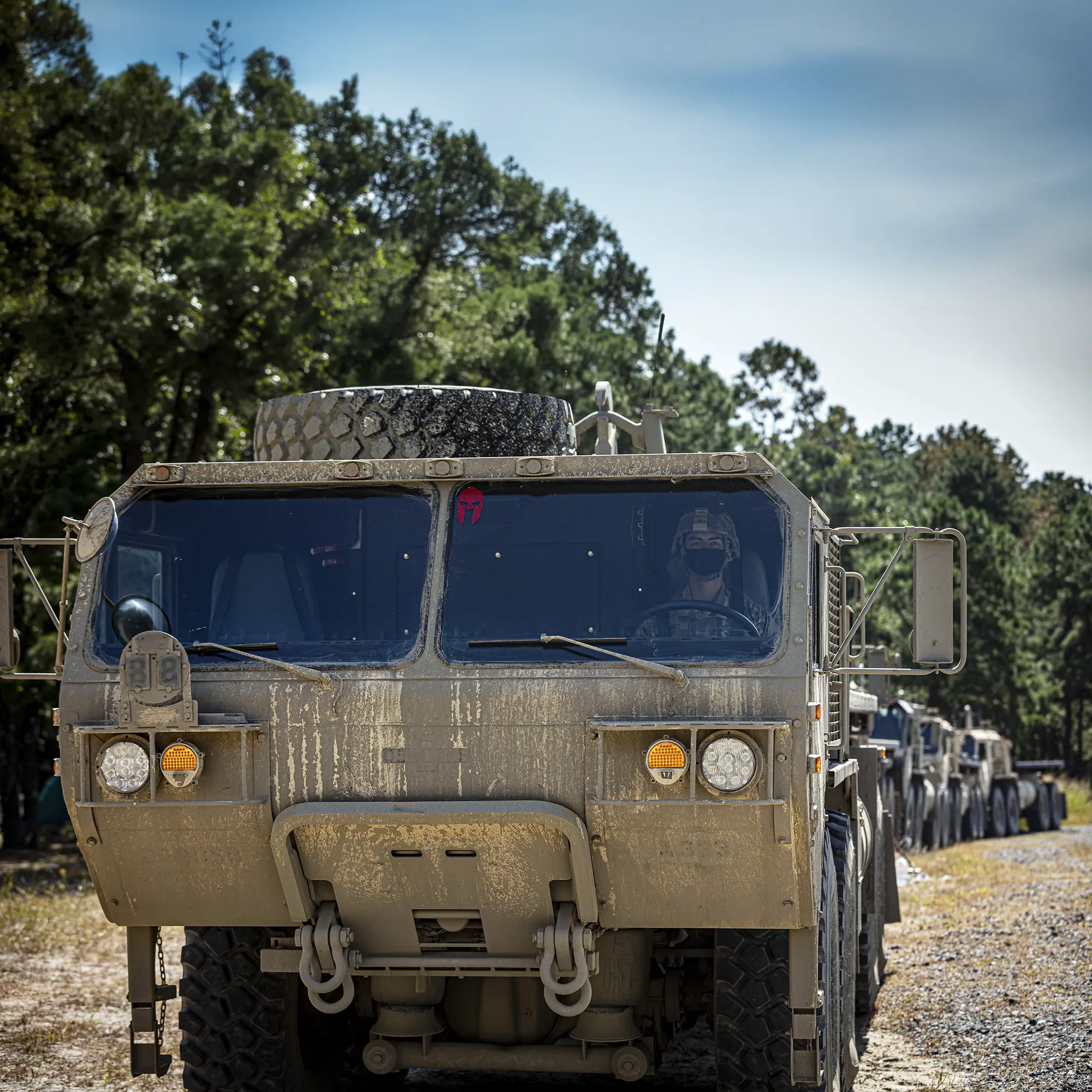
European defense leaders spoke openly about operating under constant disruption. Not as an exception, but as a norm. In those conversations, positioning was not framed as a feature or subsystem. It was treated as a prerequisite for movement itself.
What was striking was not the technology on display. It was the assumptions that were no longer being debated.
Plug and Play: Operational credibility still decides
In parallel, TERN’s CTO Manuel Seelaus engaged builders and investors at Plug and Play Aerospace and Defense in Austin, Texas. While the context was commercial, the filter was the same.
The technologies gaining traction are those that quietly reinforce foundational layers. Not those that add complexity, infrastructure, or new points of failure. Credibility still comes from performance under pressure.
A convergence, not a coincidence
Across all three forums, alignment is forming. Not around hype or distant roadmaps, but around resilience as a baseline requirement.
Positioning is no longer a background service that systems can assume will be there. It is a structural dependency that now determines whether autonomy, mobility, and logistics function at all.
As we return to Munich for the Munich Security Conference, the opportunity ahead is significant. So is the responsibility. Being early in this conversation is not just about momentum. It is about designing systems that continue to function when assumptions break. Systems that are part of our core foundation.