

Why Resilient Positioning Is Now Core Infrastructure for Surface Transportation
On February 11, the House Science and Technology Subcommittee held a hearing on Accelerating Progress: U.S. Surface Transportation Research. The discussion centered on autonomy, artificial intelligence, digital infrastructure and vulnerabilities in positioning, navigation and timing systems.
The key shift was clear. Positioning is no longer treated as a background utility. It is being recognized as foundational infrastructure.
Why does resilient positioning matter?
Surface transportation now runs on continuous location awareness.
Freight routing, emergency response, traffic coordination and autonomous systems all rely on knowing exactly where they are at all times. If positioning is disrupted, operations slow and costs ripple across supply chains.
For decades, GPS has served as the system of record. It enabled enormous progress across commercial fleets, aviation and defense. But assumption is not the same as resilience.
Modern mobility requires continuity across dense urban corridors, national freight routes and digitally synchronized infrastructure. The hearing acknowledged that interference, spoofing and disruption can have cascading downstream effects.
What did Congress focus on?
Congress has already appropriated funds for backup PNT deployment. The policy direction is toward layered resilience rather than single source dependence. Three themes emerged from the testimony:
- Positioning, navigation and timing are foundational infrastructure.
- Continuity matters more than incremental accuracy gains.
- Federal research is shifting toward complementary and backup positioning approaches that can move beyond pilot programs.
Where does TERN fit into this conversation?
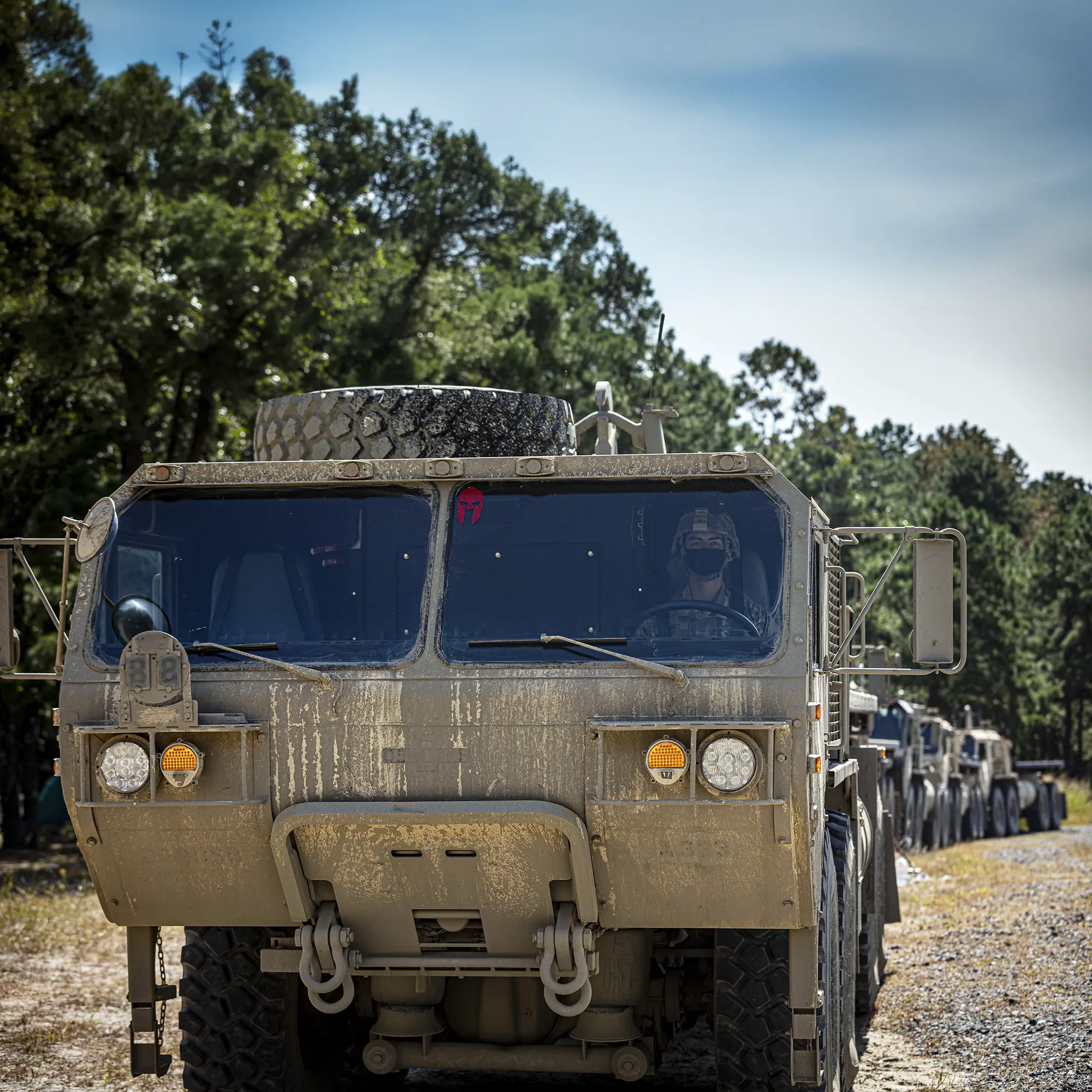
TERN was referenced during the hearing in the context of an inexpensive backup approach that has been tested by the U.S. Department of Transportation and the U.S. Army.
The significance is not the merely the mention itself. It reflects a broader shift. Infrastructure independent positioning is now part of the national research agenda.
TERN’s Independently Derived Positioning System (IDPS™) was built around continuity. It can operate alongside existing systems or independently when required. In addition to the U.S. Department of Transportation and the U.S. Army, it has also been tested by NATO.
We do not frame this as replacing GPS. We frame it as an infrastructure layer designed for consistent availability in modern operating conditions.
What does this mean for transportation leaders?
If positioning is treated as critical infrastructure, it must meet infrastructure level requirements.
That means:
- Consistent availability across environments
- Measurable performance standards
- Deployment beyond pilot programs
- Layered resilience across commercial and defense systems
The hearing did not announce a mandate. It signaled a shift in understanding. Positioning is not solved simply because GPS exists. It must evolve to meet today’s operational demands.
That evolution is already underway.